
The first time I made Ginger Soy Fish, I was pleasantly surprised by how much flavor the simple combination of ginger and soy brought to the dish. The moment I sautéed the fresh ginger, the kitchen filled with its zesty aroma, instantly making me feel like I’d stepped into a bustling Asian kitchen. As a lover of homemade meals, I often seek recipes that not only delight the palate but also pack a nutritious punch.
This dish easily fits the bill. With its flaky halibut, balanced by the savory notes of soy sauce and the warmth of ginger, it strikes the perfect harmony between healthy and satisfying. Whether you’re transitioning away from fast food or simply bored with your usual weeknight options, this Ginger Soy Fish is a vibrant, quick solution that will impress everyone at your dinner table. It’s the kind of recipe that makes you wonder why you ever settled for takeout! Ready to dive in? Let’s bring the flavors of the sea and spice to your home kitchen!

Why will you love Ginger Soy Fish?
Flavor Explosion: Each bite bursts with harmonious notes of ginger and soy, transforming simple halibut into a culinary delight.
Quick & Easy: With straightforward steps, you can whip up this dish in no time, perfect for busy weeknights.
Healthy Choice: Packed with protein and essential nutrients, it’s a guilt-free indulgence that doesn’t compromise on taste.
Crowd-Pleasing: Impress family and friends with this vibrant dish that brings restaurant-quality flavors to your table.
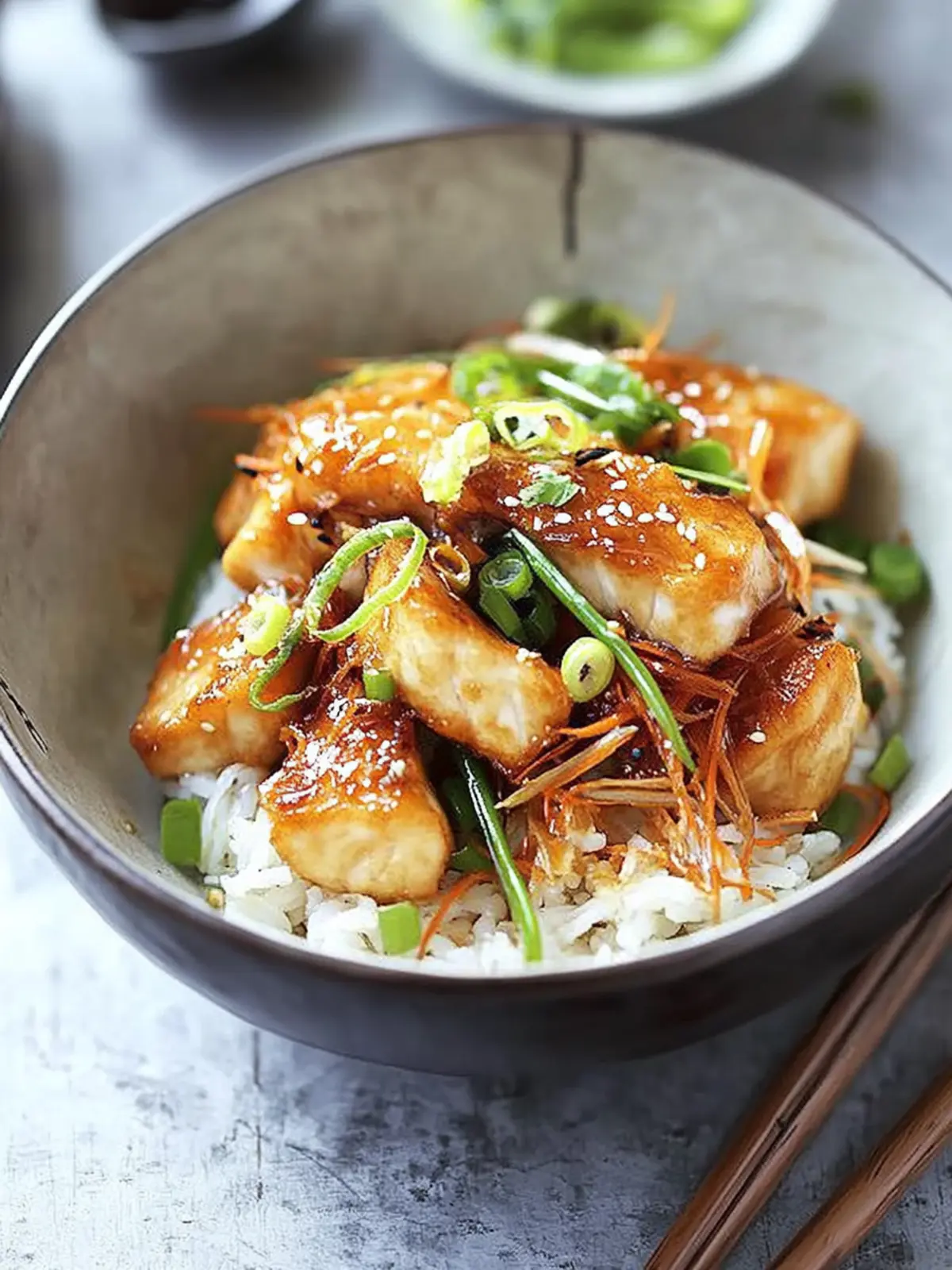
Versatile Option: Serve it over steamed rice or alongside sautéed vegetables for a well-rounded meal. Plus, check out our easy vegetable side dishes to complement your main course!
Ginger Soy Fish Ingredients
• Dive into this delectable Ginger Soy Fish recipe with fresh ingredients that elevate every bite!
For the Fish
- Halibut fish fillet – a tender, flaky option that absorbs flavors beautifully; feel free to substitute with another white fish!
- Cornstarch – helps create a crispy coating on the fish for added texture once fried.
For the Sauce
- Ginger – this aromatic root adds a zesty kick that infuses the dish with warmth and depth.
- Cooking oil – use a neutral oil for frying; sesame oil works wonders too if you like a richer flavor.
- Soy sauce – brings that umami essence! Opt for low-sodium soy sauce if you’re watching your salt intake.
- Water – helps to dissolve the sugar in the sauce for a smooth consistency.
- Sugar – balances the savory notes of the soy sauce with a touch of sweetness.
- Sesame oil – adds a nutty aroma that takes the sauce to the next level.
- Ground white pepper – provides a subtle heat without overpowering the other flavors.
For Garnish
- Chopped scallions – sprinkle on top for a fresh, crunchy finish that visually brightens your plate!
- Ginger strips – the sautéed ginger not only enhances flavor but adds an appealing texture.
Now that you have all the ingredients ready, let’s embark on this culinary adventure together!
How to Make Ginger Soy Fish
-
Prepare the Fish: Cut the halibut fillet into thick, bite-sized pieces and generously coat each piece with cornstarch. This will help you achieve that delicious crispy texture once cooked. Set aside.
-
Slice the Ginger: Peel the fresh ginger and slice it into thin strips. Aim for consistency in thickness to ensure even cooking and release of flavor.
-
Mix the Sauce: In a small bowl, combine the soy sauce, water, sugar, sesame oil, and ground white pepper. Stir until the sugar fully dissolves, creating a balanced sauce.
-
Sauté the Ginger: Heat a non-stick skillet or well-seasoned wok over medium to high heat. Add cooking oil, and once it’s shimmering, toss in the ginger strips. Stir-fry until they turn a light golden brown, then remove and set aside.
-
Cook the Fish: Using the ginger-infused oil left in the pan, carefully pan-fry the fish pieces until both sides are light to golden brown, approximately 2-3 minutes per side. Handle with care to keep them intact.
-
Add the Sauce: Pour the prepared sauce over the fish in the pan. Cook until the sauce begins to bubble, then promptly turn off the heat. Serve the fish garnished with sautéed ginger and chopped scallions, and enjoy with steamed rice.
Optional: Add a sprinkle of sesame seeds for an extra crunch.
Exact quantities are listed in the recipe card below.
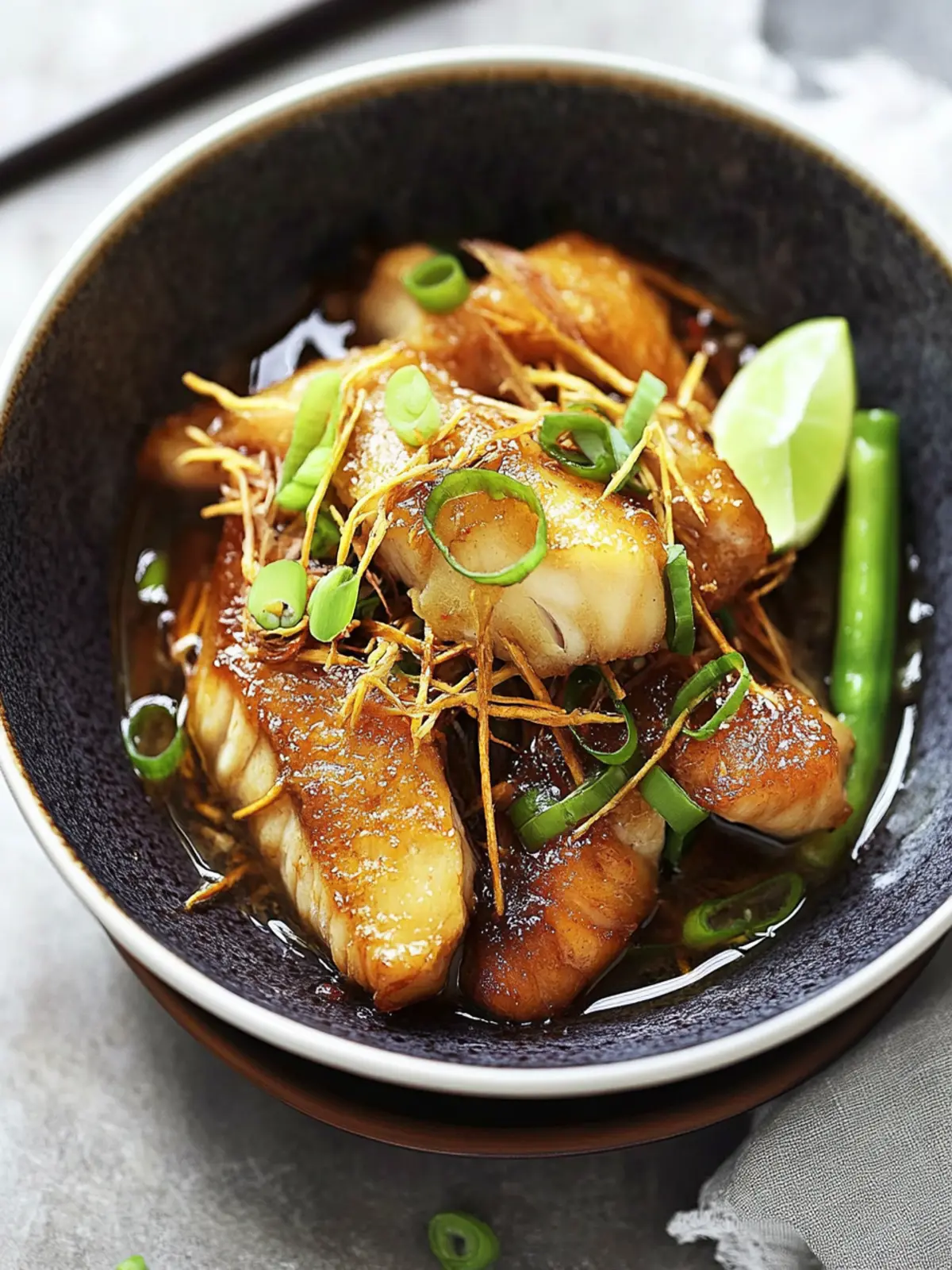
Expert Tips for Ginger Soy Fish
- Perfect Coating: Ensure each fish piece is evenly coated with cornstarch to achieve that crispy texture; too little may result in soggy fish.
- Ginger Timing: Sauté the ginger until just golden; overcooking can leave a bitter taste. Remove promptly for the best flavor.
- Heat Control: Maintain a medium to high heat when frying the fish; too low means a lack of crispiness, while too high can burn the coating.
- Sauce Balance: Stir the sauce well to ensure sugar dissolves fully; uneven distribution can lead to inconsistent sweetness in your Ginger Soy Fish.
- Serving Options: Feel free to serve this dish over quinoa or a bed of greens for a healthy twist—don’t hesitate to experiment!
What to Serve with Ginger Soy Fish?
Transform your meal into a delightful feast with these perfect pairings that elevate the flavors of this vibrant dish.
- Steamed Jasmine Rice: Fluffy and fragrant, it soaks up the savory sauce beautifully, making each bite comforting.
- Sautéed Snow Peas: Their crisp texture and mild sweetness create a wonderful contrast, adding freshness to your plate. A simple stir-fry with garlic adds an extra layer of flavor.
- Cucumber Salad: Light and refreshing, toss diced cucumbers with vinegar and sesame oil for a zesty side that cleanses the palate.
- Roasted Broccoli: The nutty flavors from roasting complement the soy and ginger, creating a delicious and nutritious harmony. A drizzle of lemon juice at the end can elevate its taste even further.
- Miso Soup: Warm, savory, and packed with umami flavors, it pairs perfectly with the fish, enhancing your Asian-inspired meal experience.
- Chilled Green Tea: This refreshing drink balances the dish’s richness and adds a sense of calm to your dining experience.
- Mango Sticky Rice: For dessert, this tropical treat combines sweetness with a creamy texture, making it a delightful finish after the savory fish.
- Sesame Noodles: Tossed in a light soy dressing, these noodles offer a satisfying and flavorful accompaniment that blends well with the dish.
How to Store and Freeze Ginger Soy Fish
Fridge: Store any leftover Ginger Soy Fish in an airtight container for up to 3 days to keep it fresh.
Freezer: If you have extra fish, place it in a freezer-safe container or bag. It can be frozen for up to 2 months without compromising flavor.
Reheating: For best results, thaw in the fridge overnight and reheat in a non-stick skillet over low heat, adding a splash of soy sauce to keep it moist.
Wrap Well: When freezing, ensure the container is tightly sealed to avoid freezer burn; this will help maintain the dish’s vibrant flavor and texture.
Ginger Soy Fish Variations
Feel free to get creative with this dish and let your taste buds lead the way!
-
Citrus Twist: Add the zest of one lime or lemon to the sauce for a tangy and bright flavor. The zesty aroma will elevate the dish beautifully.
-
Spicy Kick: Incorporate a teaspoon of chili garlic sauce or sliced red chili for a fiery twist. This will energize the flavor profile without overwhelming the other ingredients.
-
Herb Infusion: Toss in a tablespoon of fresh cilantro or basil just before serving for a refreshing herbal note that balances the richness of the sauce.
-
Low-Carb Option: Substitute the sugar with a sugar substitute like stevia or erythritol to keep the sweetness without the carbs. It’s a simple way to adjust for a low-carb diet!
-
Nutty Flavor: Replace the sesame oil with peanut oil for a unique nutty flavor that complements the ginger beautifully. This twist brings a different dimension to the dish!
-
Vegetable Boost: Add diced bell peppers, snap peas, or broccoli to the frying pan with the fish for an extra crunch and color. Not only does this enhance nutrition, but it also provides a more satisfying meal.
-
Alternative Protein: Swap the halibut for tofu to create a delicious vegetarian option. Press the tofu to eliminate excess moisture and ensure it absorbs the sauce.
-
Coconut Cream: For a creamy sauce variation, stir in a tablespoon of coconut cream while cooking the sauce for a tropical flair that pairs wonderfully with ginger.
Dive into these variations and make this dish your own!
Make Ahead Options
These Ginger Soy Fish preparations are perfect for busy home cooks looking to streamline mealtime! You can cut the halibut into bite-sized pieces and coat them in cornstarch up to 24 hours in advance, ensuring they stay fresh and ready for cooking. Additionally, you can mix the sauce ingredients and refrigerate it in an airtight container for up to 3 days to keep the flavors vibrant. When it’s time to serve, simply sauté the ginger and pan-fry the fish as directed, then add the sauce, bringing it to a bubble for that delightful finish. This way, you can delight in a quick, delicious dish with minimal fuss, even on the busiest of nights!
Ginger Soy Fish Recipe FAQs
How do I know if my fish is fresh enough to use?
Absolutely! When selecting halibut or any white fish, look for clear, bright eyes, shiny skin, and a fresh, ocean-like scent. The flesh should be firm to the touch and should spring back when pressed. Avoid fish with dark spots or a strong fishy odor for the best culinary experience.
What’s the best way to store leftover Ginger Soy Fish?
Very! To keep your Ginger Soy Fish fresh, store any leftovers in an airtight container in the refrigerator. It will stay delicious for up to 3 days. Make sure the container is sealed well to maintain flavor and moisture.
Can I freeze Ginger Soy Fish?
The more the merrier! If you want to save some for later, you can freeze the fish. Place the cooked Ginger Soy Fish in a freezer-safe container or a sealed plastic bag, ensuring it’s tightly sealed to avoid freezer burn. It can be stored for up to 2 months. When you’re ready to enjoy it again, thaw it overnight in the fridge and reheat gently in a skillet.
What should I do if my sauce turns out too thick?
No worries! If your sauce has become too thick, simply add a splash of water or additional soy sauce to loosen it up. Stir it well over low heat until you reach your desired consistency. Remember, you want it silky smooth to coat that lovely fish!
Is this Ginger Soy Fish recipe suitable for people with gluten allergies?
Good question! For those with gluten allergies or sensitivities, opt for gluten-free soy sauce or tamari as a direct substitute in this recipe. This will allow you to enjoy the full flavors without any worry. Always double-check labels to ensure all ingredients are gluten-free.
Can I use other types of fish for this recipe?
Absolutely! While halibut is a wonderful choice, feel free to use any flaky white fish such as cod, tilapia, or sole. Each will absorb the savory ginger and soy flavors beautifully, making the dish versatile and exciting every time you prepare it. Happy cooking!
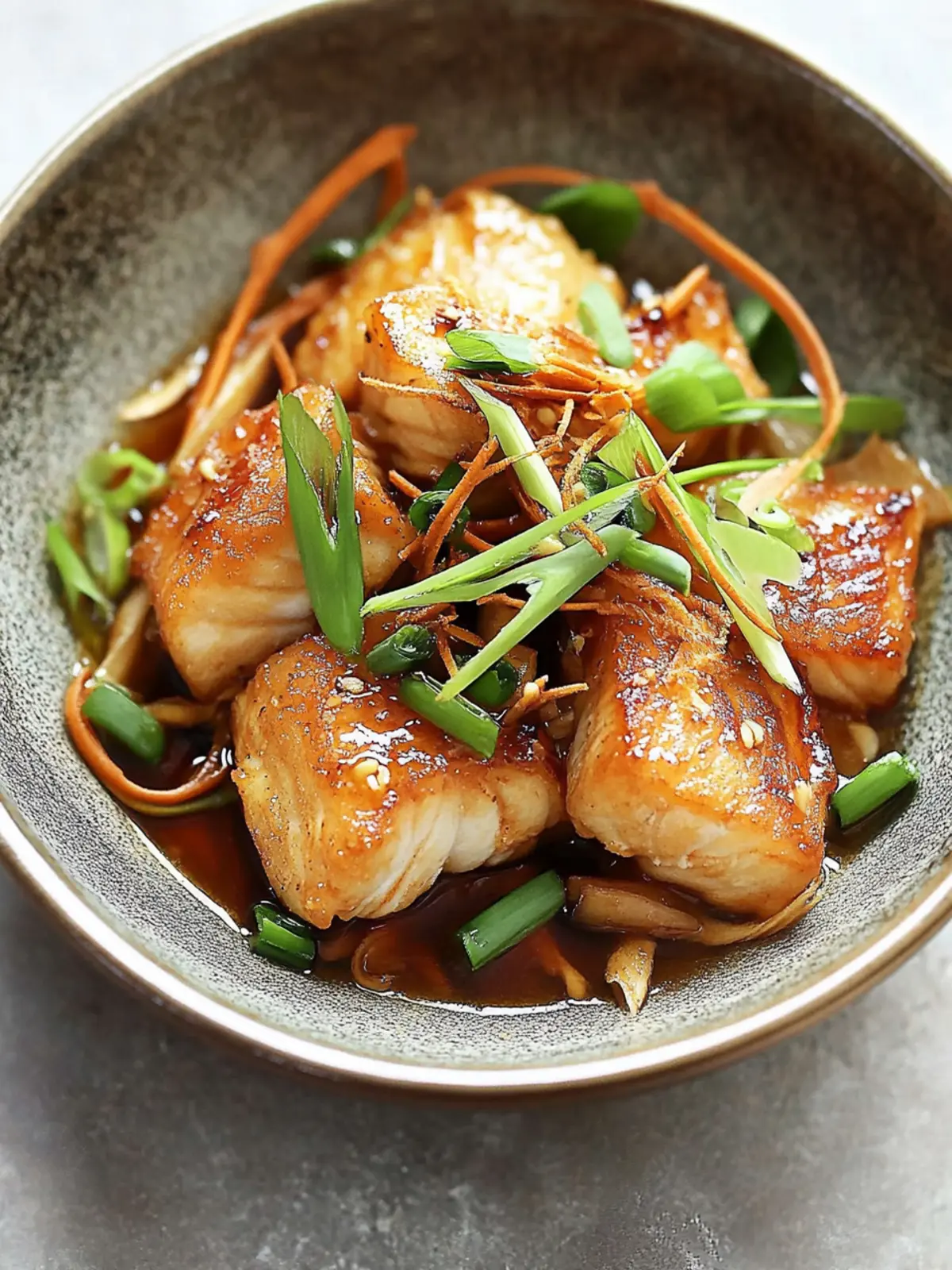
Ginger Soy Fish: A Flavor-Packed Twist on Healthy Meals
Ingredients
Equipment
Method
- Prepare the Fish: Cut the halibut fillet into thick, bite-sized pieces and generously coat each piece with cornstarch. Set aside.
- Slice the Ginger: Peel the fresh ginger and slice it into thin strips.
- Mix the Sauce: In a small bowl, combine the soy sauce, water, sugar, sesame oil, and ground white pepper. Stir until the sugar fully dissolves.
- Sauté the Ginger: Heat a skillet over medium to high heat, add oil and sauté the ginger strips until light golden brown.
- Cook the Fish: Fry the fish pieces in ginger-infused oil until golden brown, about 2-3 minutes per side.
- Add the Sauce: Pour the sauce over the fish, cook until bubbling, then serve garnished with sautéed ginger and scallions.