
There’s something magical about the sizzle of pork belly as it hits a hot skillet, filling the kitchen with mouthwatering aromas that beckon everyone to the table. I first encountered the delight of Korean cuisine during a summer street food festival, where the sticky, sweet, and spicy flavors danced through the air, luring me in. Now, I bring that vibrant experience home with my Healthy Korean Pork Belly Skillet.
This dish strikes the perfect balance between crispy edges and tender meat, enhanced with a gochujang glaze that balances heat and sweetness. As a family-friendly favorite, it turns Friday night dinners into culinary celebrations while also making fantastic sandwiches the next day. Whether you’re looking to impress guests or simply craving a comforting meal, this skillet creation is sure to become a new staple in your kitchen. Let’s dive into this recipe and transform your ordinary weeknight into an extraordinary Korean feast!

Why will you love this Healthy Korean Pork Belly Skillet?
Flavor Explosion: The bold flavors of gochujang and honey create a deliciously unique glaze that tantalizes your taste buds.
Crispy Meets Juicy: Enjoy perfectly caramelized edges while the pork remains tender and moist, resulting in a harmonious texture in every bite.
Quick and Easy: Ready in just 30 minutes, this skillet dish is a fantastic option for busy weeknights without sacrificing flavor.
Family Favorite: Kids and adults alike love this savory dish, making it a guaranteed hit for any family dinner.
Versatile Serving Options: Pair it with rice, pickled veggies, or lettuce wraps to create a complete meal, and don’t forget to check out my ideas for serving suggestions to elevate your dining experience!
Healthy Korean Pork Belly Skillet Ingredients
• The key to a delightful dish!
For the Skillet
- Pork Belly – Main protein; provides rich, melt-in-your-mouth texture. Look for skinless and well-marbled slices.
- Gochugaru (Korean Chili Flakes) – For heat and authentic flavor; spicy.
- Gochujang (Korean Chili Paste) – Adds depth of flavor and sweetness; can substitute with sriracha in a pinch.
- Soy Sauce – Provides umami and saltiness; low-sodium soy sauce can be used for a lighter version.
- Honey – Balances flavors with sweetness; brown sugar can be a substitute.
- Fresh Ginger – Adds warmth and spice; can be replaced with ground ginger if fresh is unavailable.
- Garlic – Essential for flavor; can use garlic powder in a pinch.
- Black Pepper – Adds mild heat; use fresh cracked for best flavor.
- Onion – Offers sweetness and texture; yellow or white onion is recommended.
- Green Onion (for garnish) – Freshness and color; can replace with chives if necessary.
- Sesame Oil (for finishing) – Adds a nutty flavor and enhances authenticity; omit if allergic but recommended for best taste.
Now that you’re equipped with the ingredients for this Healthy Korean Pork Belly Skillet, you’re one step closer to creating a dish that will have everyone captivated at the dinner table!
How to Make Healthy Korean Pork Belly Skillet
-
Mix Marinade: In a medium bowl, whisk together gochugaru, gochujang, soy sauce, honey, ginger, garlic, and black pepper until well combined. This flavorful marinade sets the stage for your pork.
-
Marinate Pork Belly: Add the pork belly, onion slices, and green onion to the marinade, tossing everything gently to coat. Let it sit for about 10 minutes, allowing those delicious flavors to absorb into the meat.
-
Heat Skillet: Preheat a large, heavy skillet over medium-high heat. Make sure it’s hot enough to create that wonderful sizzle when the pork hits the pan!
-
Cook Mixture: Pour the marinated pork belly mixture into the skillet and cook for 12-15 minutes. Stir occasionally, letting it transition into a crispy and caramelized delight.
-
Crisp it Up: For an extra crunchy texture, allow the pork to occasionally cook undisturbed. Listen for that crispy song!
-
Serve & Garnish: Once cooked, transfer the pork belly to a serving platter. Garnish generously with sesame seeds and extra green onion, and serve hot to enjoy its full glory!
Optional: Serve with steamed rice and kimchi for a perfect Korean-inspired meal.
Exact quantities are listed in the recipe card below.
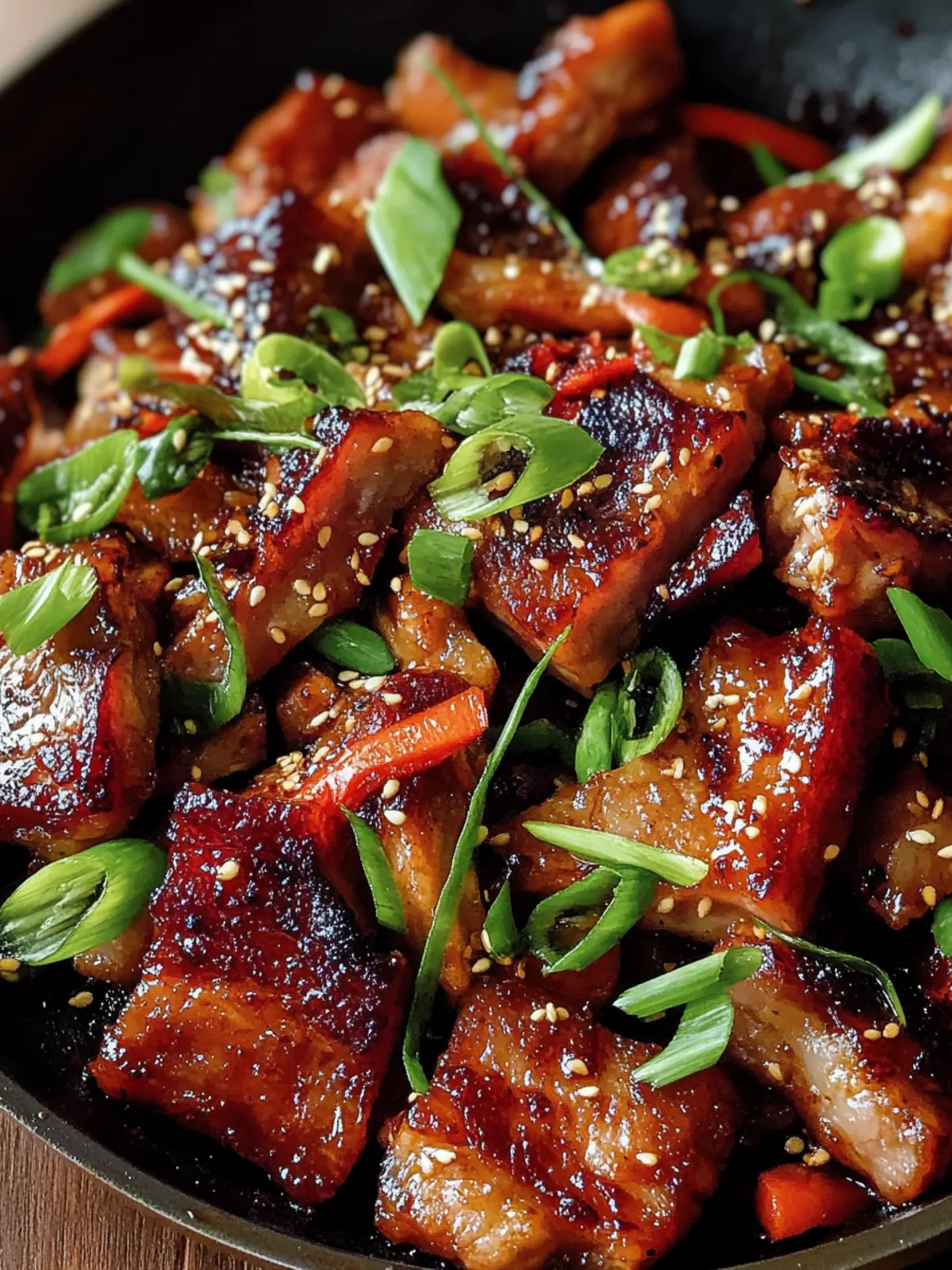
Healthy Korean Pork Belly Skillet Variations
Feel free to add your personal touch to this recipe and amplify the flavors to suit your taste!
-
Pork Alternatives: Swap pork belly with chicken thighs or tofu for a lighter protein option. Both offer unique textures that absorb those delicious marinades beautifully.
-
Spice Level: If you prefer less heat, replace gochujang with sweet chili sauce or a mild chili paste. Your taste buds will thank you for the gentler approach!
-
Vegetable Boost: Add bell peppers, zucchini, or snap peas for an extra crunch and vibrant colors. Not only does this enhance the dish’s nutrition, but it also makes it visually stunning!
-
Sweetness Variations: Experiment with maple syrup or agave nectar instead of honey. Each sweetener brings a unique flavor profile, allowing you to tailor the glaze to your liking.
-
Crispy Finish: For an even crispier texture, sprinkle some panko breadcrumbs over the pork in the final minutes of cooking. They’ll toast up beautifully, adding that satisfying crunch.
-
Heat Infusion: Mix in sliced jalapeños or red pepper flakes for an additional kick. Perfect for spice lovers looking to elevate their dining experience.
-
Cultural Twist: Try adding kimchi directly into the skillet during the last few minutes of cooking. It will soften, adding a delightful tang and more depth to the overall flavor.
-
Herbal Garnish: Top with fresh cilantro or mint instead of green onions for a refreshing twist. These herbs add a layer of complexity that perfectly complements the rich flavors of the dish.
What to Serve with Healthy Korean Pork Belly Skillet?
There’s nothing quite like a flavorful dish that brings everyone to the table, ready to indulge in a delightful meal together.
-
Steamed White Rice: The perfect canvas to soak up the savory gochujang glaze, providing a comforting base for the rich pork belly.
-
Quick Pickled Vegetables: The crunchy, tangy contrast of pickled cucumbers and carrots brightens the plate and balances the savory notes beautifully.
-
Kimchi: This iconic Korean staple adds a spicy kick and a refreshing crunch, enhancing the overall flavor profile of the dish.
-
Fresh Lettuce Wraps: Crisp lettuce leaves create a fun, interactive way to enjoy the pork belly, wrapped with some rice and garnishes for a burst of flavor.
-
Sautéed Spinach with Garlic: The earthy greens offer a nutritious side that complements the rich pork, adding depth and color to the meal.
-
Sesame Noodles: Tossed in a light dressing, these noodles offer a delightful chewiness that pairs perfectly with the textures of the pork belly.
-
Korean BBQ Sauce: Drizzle this sweet and spicy sauce over the top for a rich layering of flavors, elevating your dining experience.
-
Mango Salad: A refreshing salad with diced mango, lime, and cilantro provides a sweet contrast that pairs well with the savory pork belly.
-
Sojito (Soju Mojito): For a refreshing drink, enjoy a Sojito, a playful twist on the classic mojito that complements the dish’s flavors beautifully.
-
Matcha Ice Cream: Finish your meal sweetly with this creamy dessert; its subtle bitterness contrasts nicely with the savory main dish.
How to Store and Freeze Healthy Korean Pork Belly Skillet
Fridge: Store leftovers in an airtight container for up to 3 days; the flavors will deepen as it sits.
Freezer: For long-term storage, freeze in a layered container for up to 2 months. Make sure to label the container with the date before freezing.
Reheating: Thaw in the fridge overnight. Reheat in a skillet over medium heat, stirring occasionally until heated through, to maintain that delicious crispiness.
Room Temperature: Avoid leaving your Healthy Korean Pork Belly Skillet out for more than 2 hours to ensure food safety.
Make Ahead Options
These Healthy Korean Pork Belly Skillet preparations are perfect for meal prep enthusiasts! You can marinate the pork belly and vegetables up to 24 hours in advance; simply mix the marinade ingredients and toss them with the pork and sliced onions, then refrigerate to let the flavors meld beautifully. Additionally, if you want to save even more time, you can slice the pork belly and onions ahead of time, keeping them in airtight containers in the fridge for up to 3 days. When it’s mealtime, just heat your skillet and cook the marinated mixture as directed, ensuring you achieve that perfect crispy texture while enjoying a homemade meal that’s just as delicious and satisfying!
Expert Tips for Healthy Korean Pork Belly Skillet
-
Slice Consistently: Cut the pork belly into 1/8-inch thick slices for even cooking; uneven sizes can lead to different textures as some pieces may overcook.
-
Manage Heat Carefully: Keep the skillet at medium heat to avoid burning the sugars in the marinade, ensuring a caramelized glaze without bitterness.
-
Patience is Key: Let the pork belly rest for about 5-10 minutes before serving; this helps retain moisture and enhances the juicy texture of your Healthy Korean Pork Belly Skillet.
-
Undisturbed Cooking: Occasionally let the mixture cook undisturbed; this promotes more crispiness in the edges, creating that irresistible crunch with every bite.
-
Substitutions Wisely: If you prefer less heat, swap gochujang with a milder chili paste, but don’t skip out on the authentic flavors this dish brings.
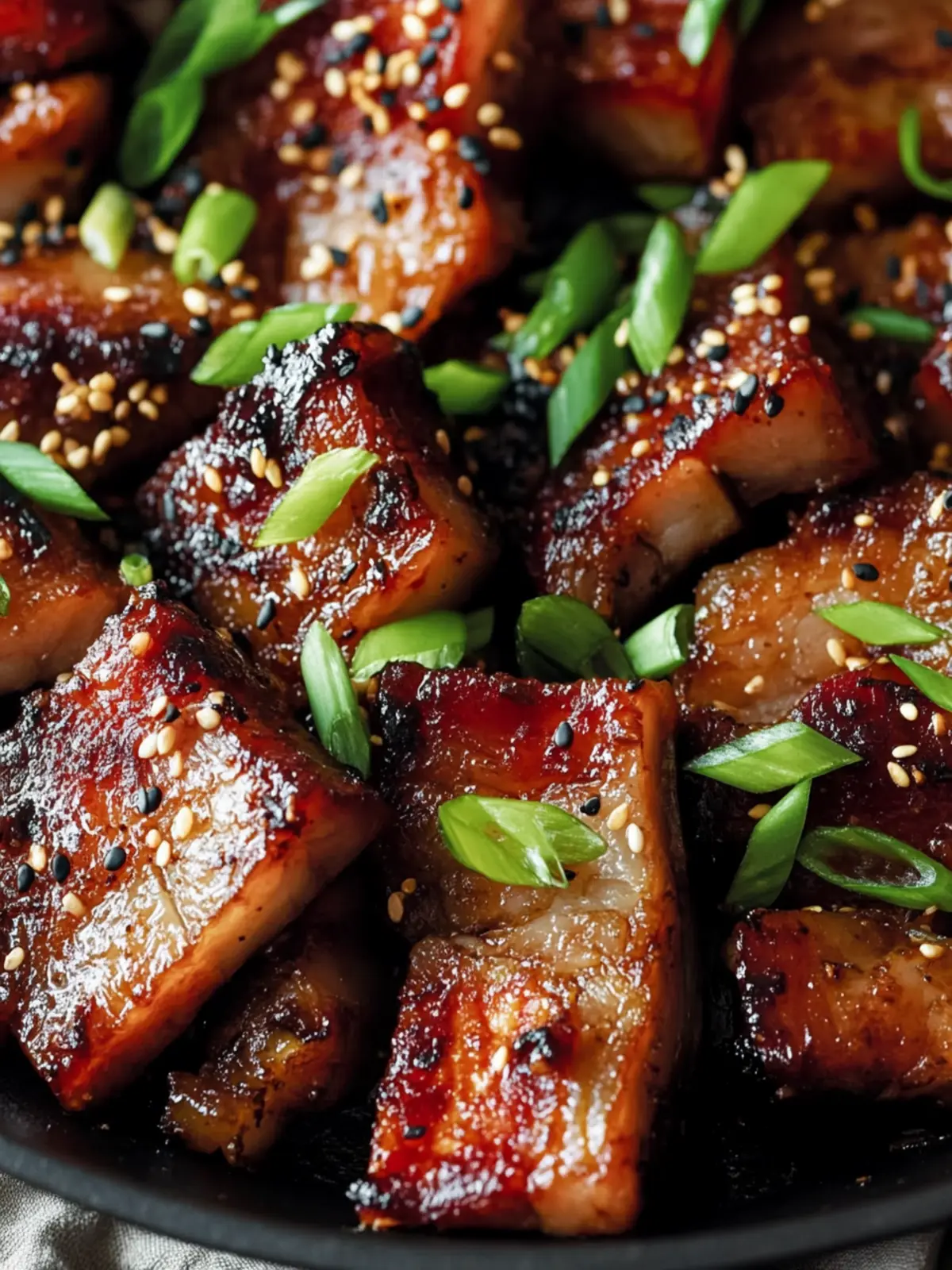
Healthy Korean Pork Belly Skillet Recipe FAQs
What type of pork belly should I use for the best results?
Absolutely! Look for skinless and well-marbled slices of pork belly. This ensures a rich, melt-in-your-mouth texture that’s essential for achieving that delightful balance of crispiness and juiciness in your Healthy Korean Pork Belly Skillet.
How should I store leftovers of my Healthy Korean Pork Belly Skillet?
You can store leftovers in an airtight container in the fridge for up to 3 days. As a bonus, the flavors will actually deepen and improve as it sits. Just make sure to warm it up before enjoying again!
Can I freeze the Healthy Korean Pork Belly Skillet for later use?
Yes! You can freeze the dish in a layered container for up to 2 months. To do this, let it cool completely before transferring to the container and be sure to label it with the date. When you’re ready to enjoy it again, simply thaw overnight in the fridge.
What should I do if I find the pork belly isn’t crispy enough?
First, don’t worry! If your pork belly hasn’t reached that perfect crispness, increase the heat slightly and allow it to cook undisturbed for another minute or two. This helps render the fat more effectively and promotes that delightful crispy texture you’re looking for.
Are there any dietary considerations for this recipe?
Good question! If you’re cooking for someone with allergies, it’s worth noting that gochujang typically contains ingredients like soy, which may be problematic for some. You can substitute it with a milder chili paste if needed. Also, if you’re avoiding sesame oil due to allergies, you can omit it, though it does contribute significantly to the dish’s authentic flavor.
How can I make this dish milder for kids?
Very easily! If you’d like to tone down the heat for younger taste buds, you can swap out the gochujang for a milder chili paste or simply reduce the amount used. Plus, serving the dish with steamed rice and pickled vegetables can help balance the flavors and make it more family-friendly.
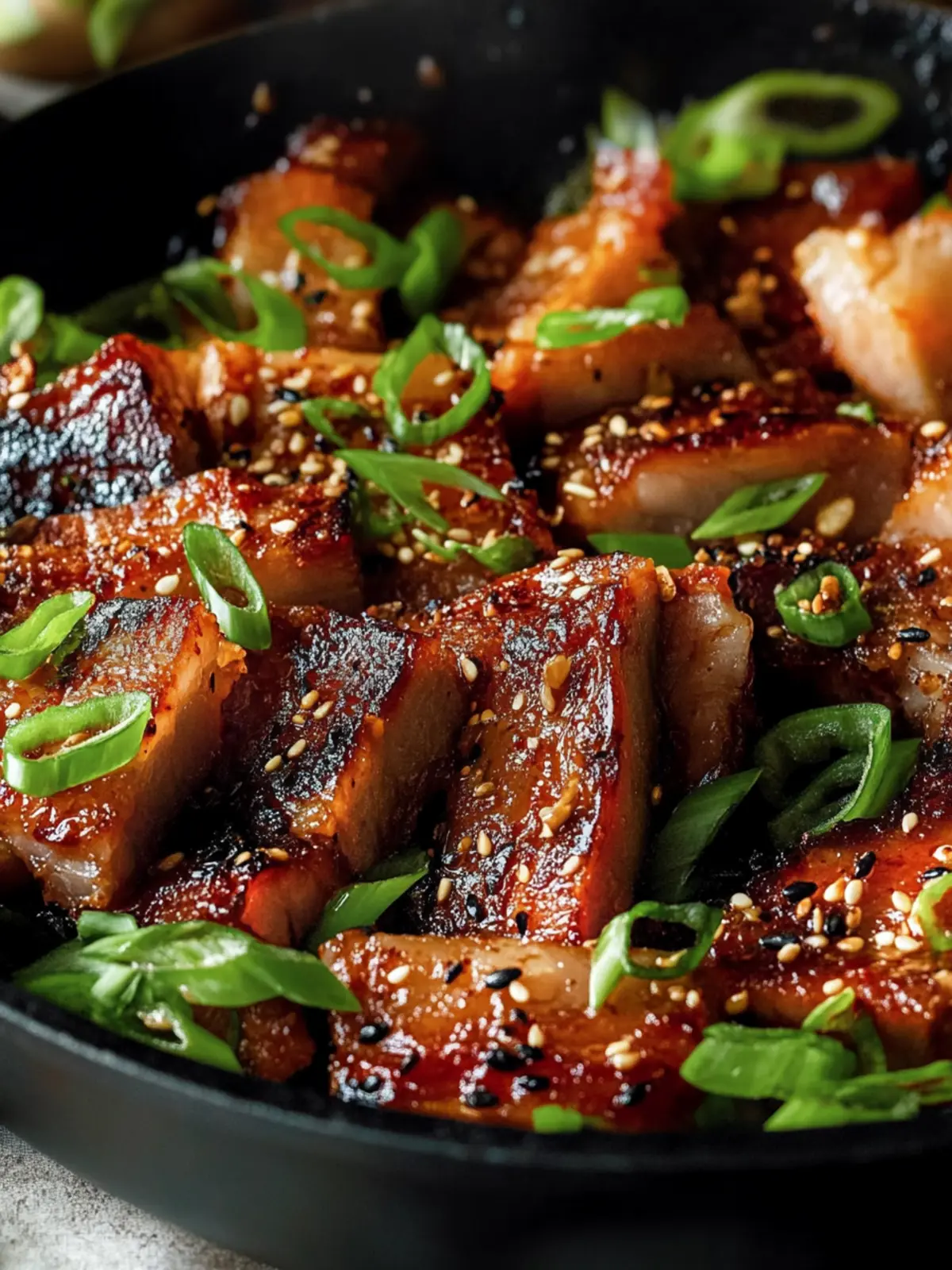
Healthy Korean Pork Belly Skillet Your New Family Favorite Dish
Ingredients
Equipment
Method
- In a medium bowl, whisk together gochugaru, gochujang, soy sauce, honey, ginger, garlic, and black pepper until well combined.
- Add the pork belly, onion slices, and green onion to the marinade, tossing everything gently to coat. Let it sit for about 10 minutes.
- Preheat a large, heavy skillet over medium-high heat.
- Pour the marinated pork belly mixture into the skillet and cook for 12-15 minutes, stirring occasionally.
- Allow the pork to occasionally cook undisturbed for an extra crunchy texture.
- Once cooked, transfer the pork belly to a serving platter. Garnish with sesame seeds and extra green onion.