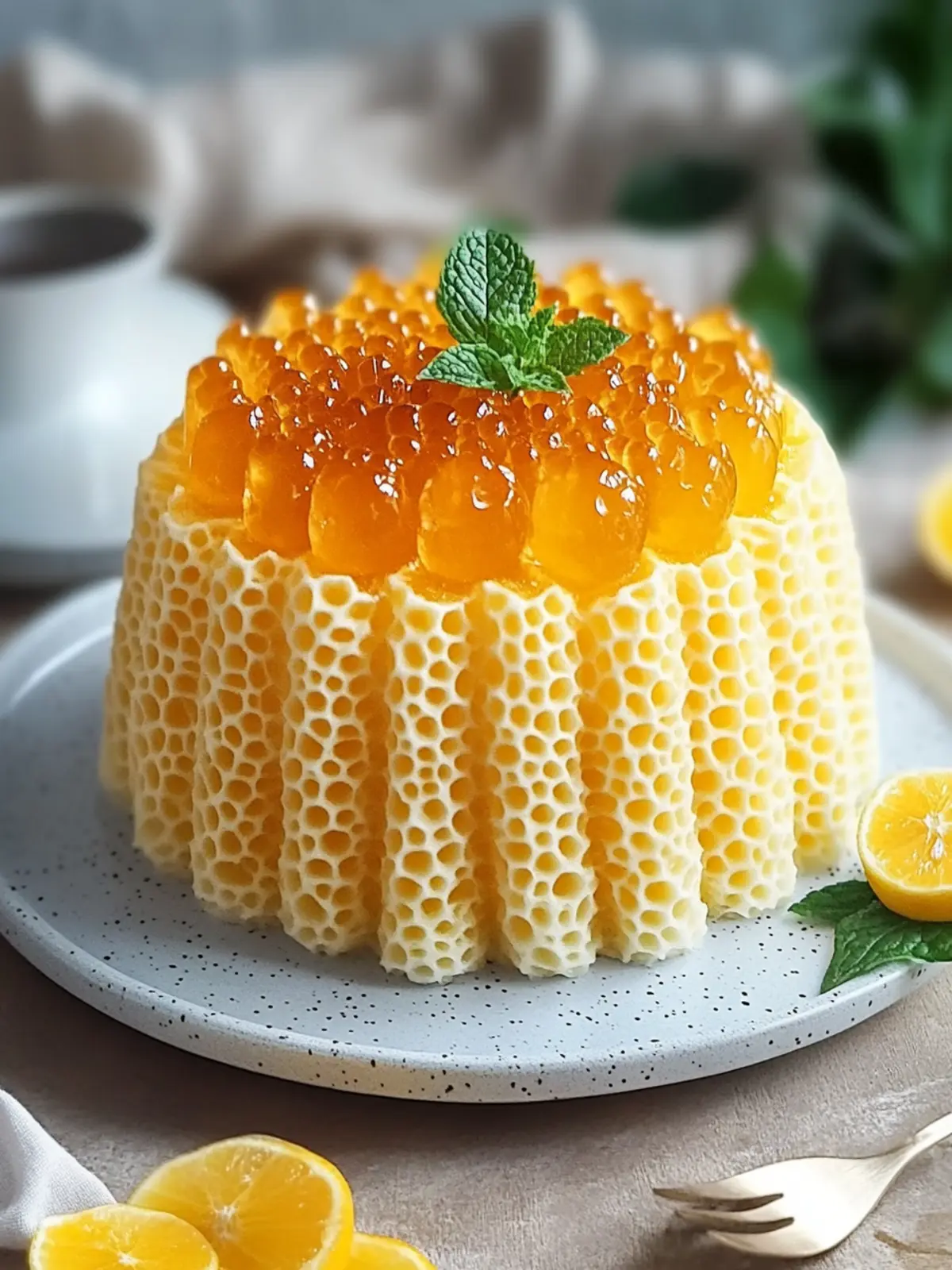
The gentle steam rising from my kitchen transports me back to bustling Vietnamese street markets, where vendors showcase their vibrant desserts. One of my all-time favorites is the Steamed Vietnamese Honeycomb Cake, or Bánh Bò Nướng, with its delightful chewy texture and gorgeous honeycomb pattern. As the fragrance of pandan and coconut fills the air, I’m reminded of the joy that comes with sharing homemade treats.
What if I told you that this gluten-free delicacy could be yours in just a few simple steps? Perfectly suited for festive gatherings or a cozy night in, this cake is not only a visual delight but also a crowd-pleaser in flavor. With its airy consistency and sweet, rich undertones, each bite evokes a sense of warmth and happiness. So, let’s transform your kitchen into a haven of delectable aromas and create this deliciously soft Vietnamese Honeycomb Cake that you will absolutely love!

Why You’ll Love This Deliciously Soft Vietnamese Honeycomb Cake
Irresistible flavors: The combination of pandan and coconut creates a taste sensation that is both tropical and comforting.
Simple process: With just a few easy steps, you can master this cake and impress your friends and family.
Versatility: Perfect for any occasion—birthday celebrations, holiday feasts, or a simple afternoon treat.
Gluten-free twist: Enjoy a sweet indulgence without worry; this cake fits well into gluten-sensitive diets!
Unique texture: The honeycomb structure gives you a delightful chewiness that’s unlike any other cake.
Deliciously Soft Vietnamese Honeycomb Cake Ingredients
For the Batter
• Tapioca Starch – Provides structure and helps achieve the cake’s unique texture. Note: Ensure it is fresh for the best results.
• Rice Flour – Contributes to texture and can be substituted with more tapioca starch if necessary.
• Coconut Milk – Adds richness and flavor; full-fat is recommended for optimal taste.
• Granulated Sugar – Offers sweetness; can be replaced with brown sugar for added depth.
• Baking Powder – Essential for leavening; ensure it is fresh.
• Active Dry Yeast – Activates the batter and creates the signature honeycomb structure. Prep Note: Must be combined with warm water and allowed to foam for 10 minutes.
• Warm Water – Activates the yeast; should be around 110°F (43°C).
• Salt – Enhances flavor.
• Pandan Extract – Provides distinctive aroma and color; vanilla can be a substitute.
• Oil or Butter – Used for greasing the cake pan to prevent sticking.
Optional Serving Suggestions
• Coconut Cream – Pairing adds richness and enhances coconut flavors.
• Tropical Fruit Salad – Freshness balances the sweetness of the cake perfectly.
• Sweetened Condensed Milk – Drizzle for an indulgent touch that complements the honeycomb cake.
How to Make Deliciously Soft Vietnamese Honeycomb Cake
-
Activate Yeast: In a bowl, combine active dry yeast, warm water, and a pinch of sugar. Allow it to foam for about 10 minutes, ensuring the yeast is alive and kicking.
-
Mix Dry Ingredients: In another bowl, whisk together tapioca starch, rice flour, and salt until well combined. This blend will provide the cake’s unique chewy texture.
-
Heat Coconut Mixture: Gently warm the coconut milk and granulated sugar over low heat until the sugar dissolves. Remove from heat and let cool slightly, as too hot might kill the yeast.
-
Combine Ingredients: Whisk the foamy yeast mixture, pandan extract, and cooled coconut mixture into the dry ingredients. Stir until the batter is smooth and lump-free.
-
Let it Rise: Cover the bowl with a clean cloth and let the batter rest in a warm area for 1-2 hours. Watch it bubble and grow to a lovely, airy consistency!
-
Prepare the Steamer: Grease your cake pan to prevent sticking and set up the steamer. Make sure there is enough water boiling before you pour in the batter.
-
Steam the Cake: Pour the batter into the prepared pan and steam for 25-30 minutes. Check with a toothpick; it should come out clean when done.
-
Cool & Slice: Once steamed, let the cake cool completely in the pan to set its honeycomb structure. Then, slice and enjoy the delightful texture!
Optional: Serve with a drizzle of coconut cream for an extra touch of richness.
Exact quantities are listed in the recipe card below.
Storage Tips for Deliciously Soft Vietnamese Honeycomb Cake
-
Room Temperature: Store the cake in an airtight container for up to 3 days to maintain its delightful texture and flavor.
-
Refrigerator: If you need to keep it longer, refrigerate for up to a week. Note that this may slightly alter the cake’s texture, making it a bit denser.
-
Freezer: For long-term storage, wrap the cake tightly in plastic wrap and freeze for up to 3 months. Thaw it overnight in the fridge for the best results.
-
Reheating: If desired, you can gently steam slices for a few minutes to restore that lovely softness before serving again. Enjoy your deliciously soft Vietnamese honeycomb cake!
Deliciously Soft Vietnamese Honeycomb Cake Variations
Feel free to get creative with this recipe and add your own twist to the delightful cake!
-
Vegan Option: Substitute coconut milk with almond or oat milk, and use a flaxseed egg in place of the active dry yeast for a plant-based version.
-
Flavored Extracts: Swap pandan extract for various extracts like almond or lemon to explore exciting new flavors while maintaining that sweetness.
-
Sweetener Substitution: Replace granulated sugar with honey or agave syrup for a different kind of sweetness, enhancing the cake’s natural flavors.
-
Nutty Add-Ins: Stir in a handful of finely chopped nuts, such as cashews or almonds, for delightful crunch and added richness throughout the cake.
-
Fruit Twist: Add pureed fruit like mango or banana to the batter for extra moisture and a burst of natural flavor that complements the coconut beautifully.
-
Spice It Up: Incorporate a dash of cinnamon or cardamom to introduce warm, aromatic notes that deepen the cake’s flavor profile.
-
Texture Variation: For a heartier texture, replace half of the rice flour with almond flour, adding a lovely nutty taste while keeping it gluten-free.
-
Chocolate Delight: Mix in cocoa powder to create a chocolate version of the cake, or add chocolate chips for a sweet surprise with every bite.
Expert Tips for Deliciously Soft Vietnamese Honeycomb Cake
-
Yeast Check: Ensure your active dry yeast is fresh; expired yeast can lead to a cake that won’t rise properly.
-
Warm Water Temperature: Use water around 110°F (43°C) to activate the yeast without killing it—too hot can be a disaster!
-
Patience in Rising: Give the batter ample time to rise; don’t rush this step. A bubbly batter equals a light and airy cake.
-
Cooling Time: Allow the cake to cool completely in the pan before slicing. This step is vital for maintaining the beautiful honeycomb structure.
-
Storage Wisdom: Keep leftovers in an airtight container at room temperature for up to 3 days. Enjoy your deliciously soft Vietnamese Honeycomb Cake freshly made!
Make Ahead Options
These Deliciously Soft Vietnamese Honeycomb Cakes are perfect for meal prep enthusiasts! You can prepare the batter up to 24 hours in advance by mixing all the ingredients, then covering the bowl tightly and refrigerating it. Be sure to let the batter come back to room temperature and give it a gentle stir before steaming for the best rise. The steamed cake can also be stored at room temperature in an airtight container for up to 3 days or refrigerated for up to a week. To enjoy, simply slice and serve as is, or warm it slightly in the steamer to revive that delightful texture. With these make-ahead options, you’ll have a fabulous dessert ready with minimal effort on busy weeknights!
What to Serve with Deliciously Soft Vietnamese Honeycomb Cake?
Enhance your dessert experience with delightful pairings that complement the flavors of this light, airy cake.
-
Coconut Cream: A rich and creamy addition that intensifies the coconut essence of the cake, providing a luxurious dip for each slice.
-
Tropical Fruit Salad: Fresh mango, pineapple, and papaya add a refreshing touch, balancing the cake’s sweetness with vibrant acidity.
-
Sweetened Condensed Milk: Drizzle over the cake for an indulgent twist, marrying the cake’s texture with a touch of creamy sweetness.
-
Iced Jasmine Tea: A fragrant and refreshing drink that cuts through the richness, making it a perfect companion for your cake.
-
Matcha Latte: The earthy notes of matcha beautifully contrast with the cake’s sweetness, delivering a comforting and harmonious flavor.
-
Lychee Sorbet: Light and fruity, this sorbet cleanses the palate while echoing the tropical spirit of the honeycomb cake.
-
Honey Drizzle: A simple drizzle of honey can elevate the cake’s flavor, offering an additional layer of sweetness without overwhelming.
-
Grilled Pineapple: The caramelized exterior of grilled pineapple adds a smoky element that pairs wonderfully with the cake’s soft texture.
-
Coconut Chia Pudding: A creamy, nutty dessert adds depth to your dining experience while maintaining the tropical theme.
-
Thai Iced Coffee: The rich, sweet coffee balances the cake’s delicate flavors, creating a decadent ending to your meal.
Deliciously Soft Vietnamese Honeycomb Cake Recipe FAQs
What type of tapioca starch should I use?
For the best results, opt for fresh tapioca starch. Look for starch that is white and free of clumps. If it’s stale, it can affect the cake’s texture.
How should I store the cake?
Keep your deliciously soft Vietnamese Honeycomb Cake in an airtight container at room temperature for up to 3 days. If you decide to refrigerate it, it will last about a week, though the texture may become slightly denser.
Can I freeze the leftover cake?
Absolutely! To freeze, tightly wrap the cake in plastic wrap and then in aluminum foil to prevent freezer burn. It can last for up to 3 months. When you’re ready to enjoy, simply thaw it overnight in the fridge and steam slices for a few minutes to regain that soft texture.
What should I do if my cake doesn’t rise properly?
If your cake doesn’t rise, double-check that your active dry yeast is fresh. To test this, mix the yeast with warm water (about 110°F/43°C) and a pinch of sugar. If it doesn’t foam within 10 minutes, it may be expired. Also, be sure to allow the batter enough time to rise in a warm area—this step is crucial for creating the light, airy texture.
Is this cake suitable for people with allergies?
This deliciously soft Vietnamese Honeycomb Cake is gluten-free and generally safe for gluten-sensitive diets. However, if you or your guests have other allergies, like to coconut or tapioca, please take care to substitute those ingredients as needed.
How can I ensure the honeycomb structure comes out perfectly?
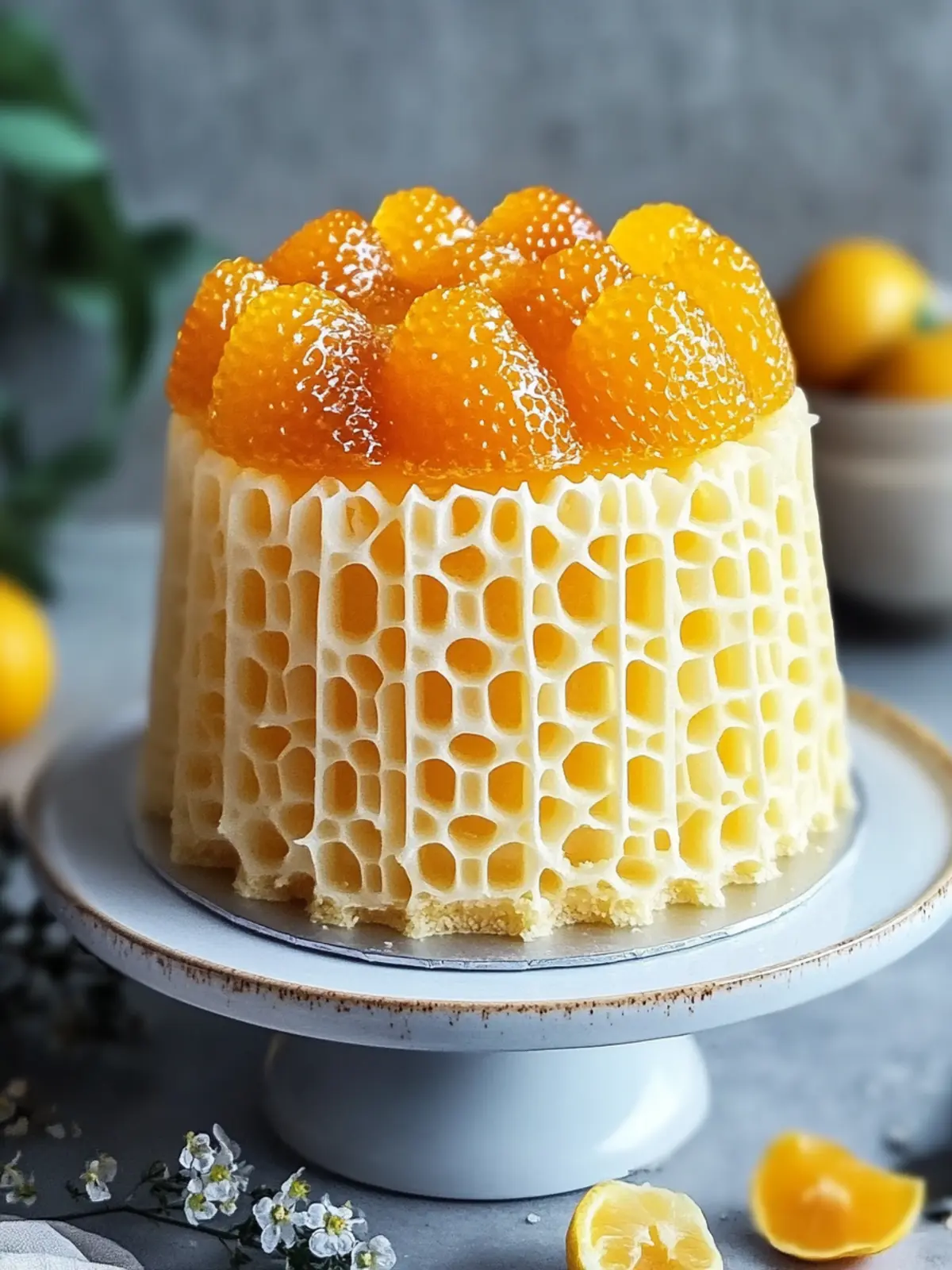
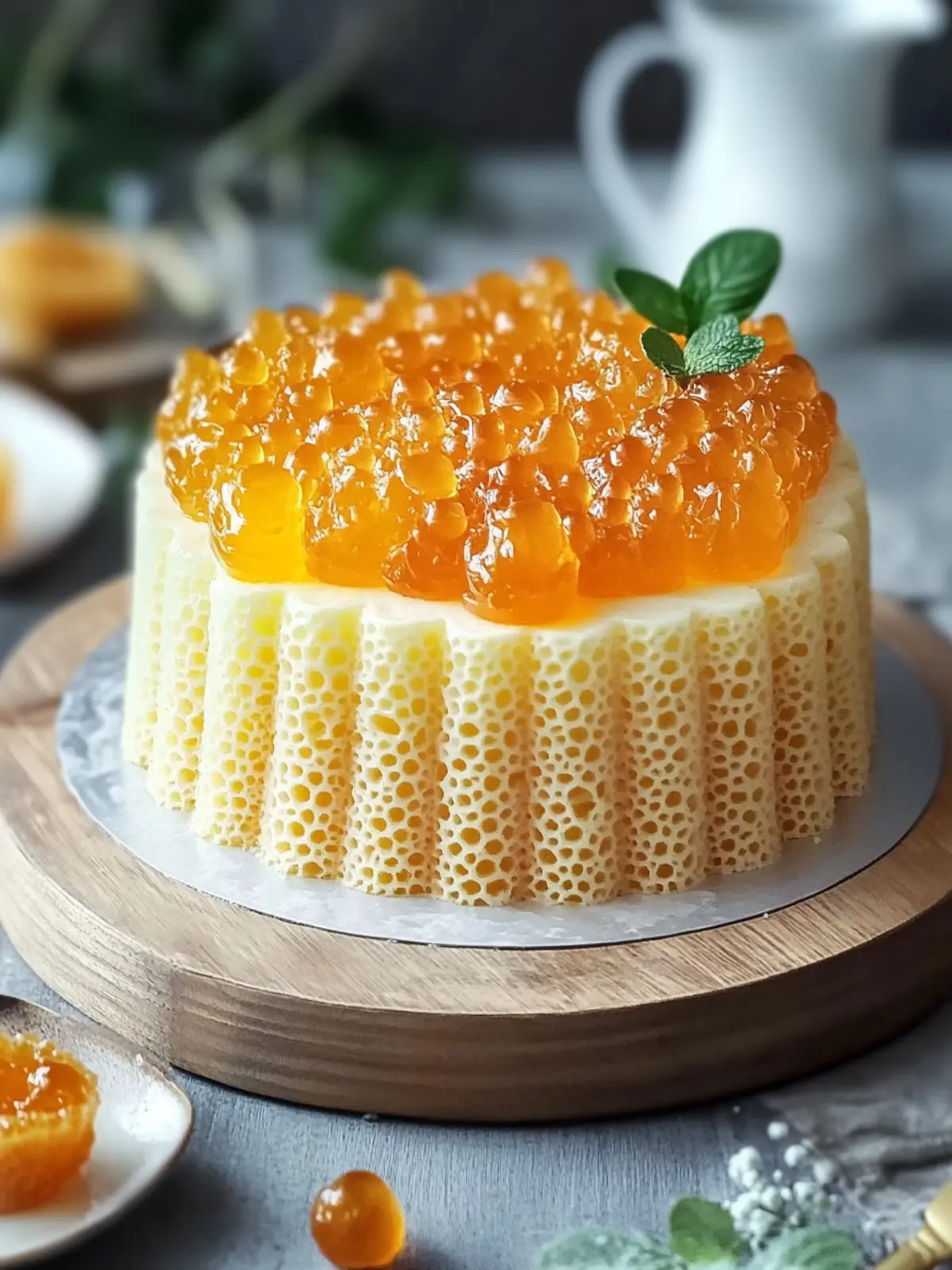
To create that signature honeycomb structure, be patient with the rising time. After mixing your batter, cover it and let it rest in a warm place for 1-2 hours. When you steam the batter, make sure it is poured into a greased pan to prevent sticking. Finally, allow the cake to cool completely in the pan before slicing to reveal its beautiful honeycomb pattern.
Deliciously Soft Vietnamese Honeycomb Cake You’ll Adore Today
Ingredients
Equipment
Method
- In a bowl, combine active dry yeast, warm water, and a pinch of sugar. Allow it to foam for about 10 minutes.
- In another bowl, whisk together tapioca starch, rice flour, and salt until well combined.
- Gently warm the coconut milk and granulated sugar over low heat until the sugar dissolves. Remove from heat and let cool slightly.
- Whisk the foamy yeast mixture, pandan extract, and cooled coconut mixture into the dry ingredients. Stir until the batter is smooth.
- Cover the bowl with a clean cloth and let the batter rest in a warm area for 1-2 hours.
- Grease your cake pan and set up the steamer with enough water boiling.
- Pour the batter into the prepared pan and steam for 25-30 minutes.
- Once steamed, let the cake cool completely in the pan before slicing.